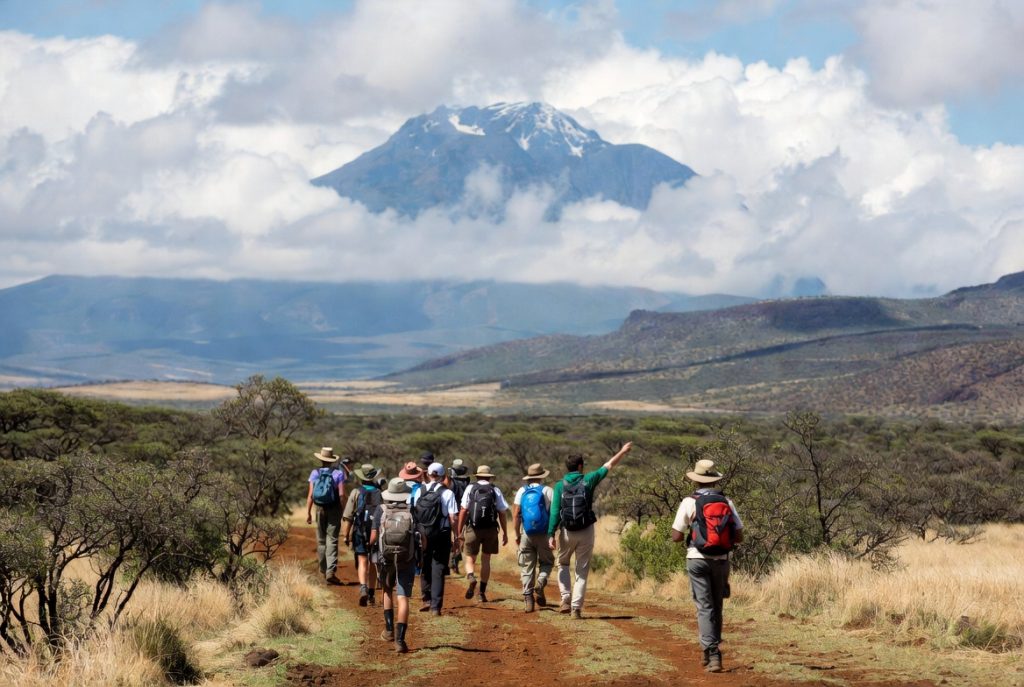
Mount Kenya, the second-highest peak in Africa at 5,199 meters (17,057 feet), offers a unique trekking experience. For first-time visitors, understanding the routes, difficulty levels, and costs is crucial to planning a safe and rewarding journey.
This guide provides a comprehensive overview of trekking Mount Kenya, including recommended itineraries, pricing, preparation tips, and why choosing Escape Pod Kenya ensures a seamless, expertly guided adventure.
Why Trek Mount Kenya?
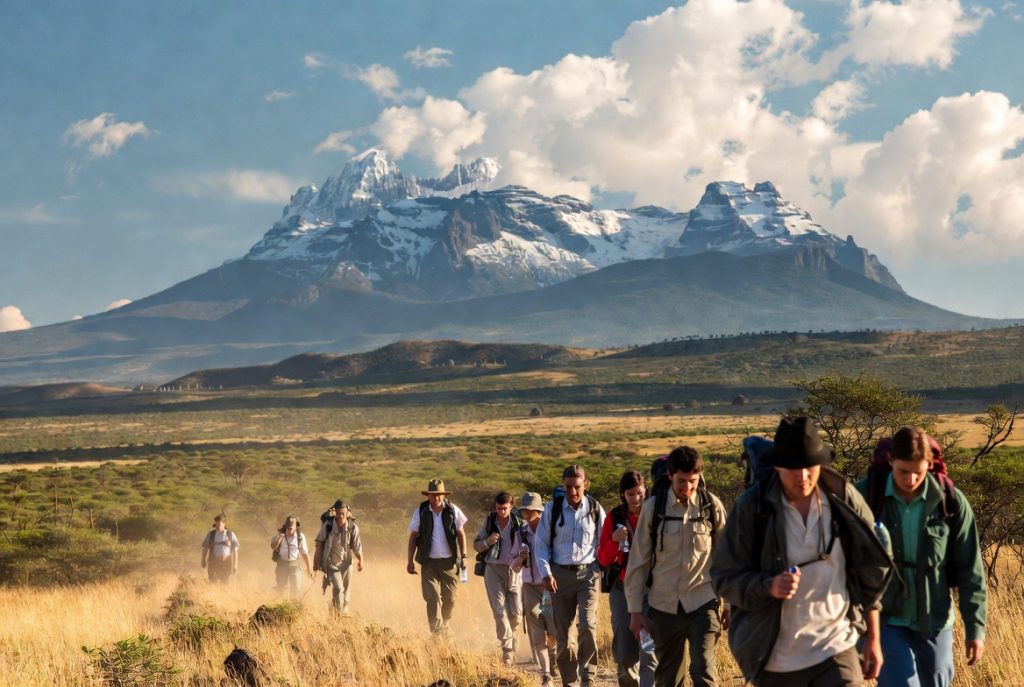
Mount Kenya invites adventurers into a landscape of striking contrasts and layered experiences. As Kenya’s highest mountain and a UNESCO World Heritage Site, it offers:
- Multiple Peaks to Explore — From the technical summits of Batian and Nelion to the more accessible Point Lenana, trekkers can choose their challenge and pace.
- Diverse Ecosystems — Traverse bamboo forests, alpine moorlands, and glacial valleys, all within a single ascent. The mountain’s ecological richness is a journey in itself.
- Tranquil Trails — With fewer crowds, Mount Kenya offers a serene trekking experience—ideal for those seeking reflection, connection, and immersion in nature.
- Cultural Encounters — Trek through highland villages and ancestral lands, guided by locals who share stories, traditions, and deep knowledge of the terrain.
Mount Kenya trekking is ideal for adventurous travelers seeking both physical challenge and serene landscapes.
Key Trekking Routes
Mount Kenya has four main trekking routes:
1. Sirimon Route
- Difficulty: Moderate
- Best For: First-time trekkers, scenic variety
- Highlights: Forested trails, scenic views of peaks, quiet ascent
- Typical Duration: 3–5 days
2. Naro Moru Route
- Difficulty: Strenuous
- Best For: Shorter climbs, summit via the “Vertical Bog”
- Highlights: Steep sections, bamboo zone, alpine moorlands
- Typical Duration: 3–4 days
3. Chogoria Route
- Difficulty: Moderate to Strenuous
- Best For: Panoramic scenery, waterfall lovers
- Highlights: Gorges, Lake Michaelson, End Point: Point Lenana
- Typical Duration: 4–6 days
4. Burguret Route
- Difficulty: Moderate
- Best For: Solitude, fewer trekkers
- Highlights: Remote trails, scenic ridges, wildlife sightings
- Typical Duration: 4–5 days
Tip: The Lenana Peak summit is accessible to most moderately fit trekkers with proper acclimatization, while Batian and Nelion require technical climbing.
Factors Affecting Trekking Costs
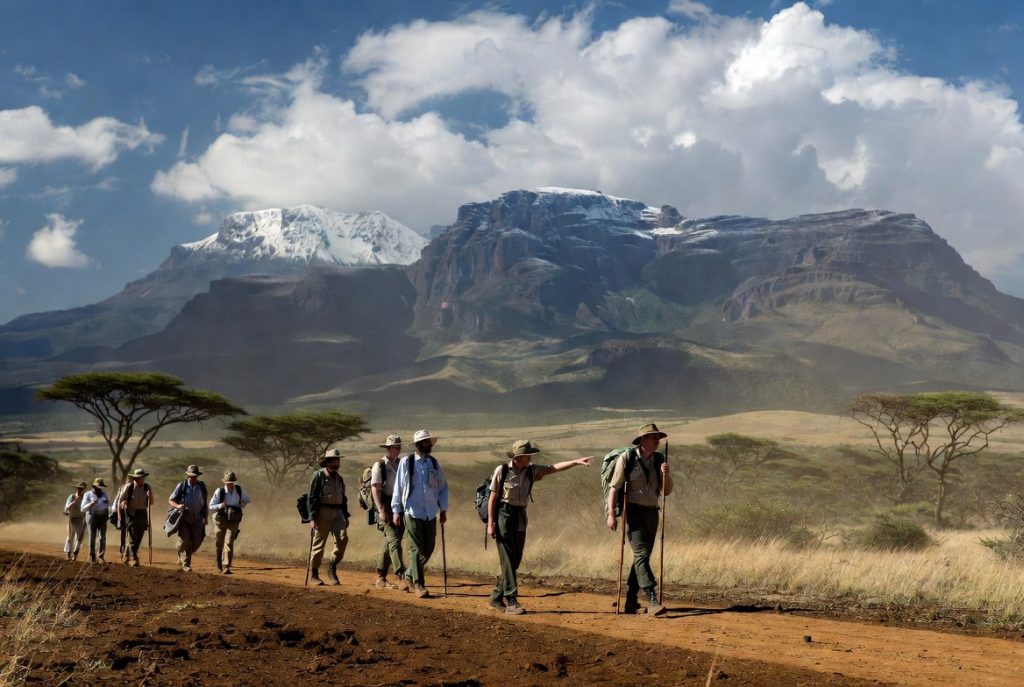
Several elements influence the price of a Mount Kenya trek:
- Route Choice — Longer or more scenic routes may incur higher costs due to logistics and additional nights.
- Guided vs Independent Trekking — Hiring an experienced guide is strongly recommended for safety and navigation.
- Accommodation — Hut-based (public or private) or camping at base camps affects cost.
- Porters & Support Staff — Required for carrying supplies, tents, and food for multi-day treks.
- Season — Dry season (January–March, July–October) is preferred; peak season may increase rates.
- Equipment Rental — Tents, sleeping bags, and trekking gear may be included in packages or rented separately.
Typical Trekking Costs (Per Person, 3–5 Days)
| Component | Approx. Cost (USD) |
| Guide & Porter Fees | $200–$300 |
| Accommodation (Huts or Camps) | $100–$300 |
| Park Entry & Conservation Fees | $80–$150 |
| Meals & Snacks | $50–$100 |
| Transport (Nairobi ↔ Base) | $50–$150 |
| Equipment Rental (Optional) | $50–$100 |
| Total | $530–$1,100 |
Escape Pod Kenya’s curated Mount Kenya Trekking packages start from $950 per person, combining:
- Expert guides and professional support staff
- All park entry fees
- Accommodation in premium huts or luxury tented camps
- Meals and trekking logistics
- Domestic transfers to trailheads
This ensures a safe, hassle-free experience, eliminating the guesswork and risk associated with independent trekking.
Preparing for Your Trek
Physical Preparation
- Moderate fitness required; recommended: 3–6 months of cardiovascular training, hiking, and endurance practice.
- Strengthen legs and core for steep ascents and descents.
- Acclimatization is critical for altitude adaptation.
Gear Checklist
- Warm, layered clothing (temperatures drop significantly at night)
- Waterproof jacket & trousers
- Trekking boots and gaiters
- Sleeping bag (if camping)
- Trekking poles
- Water bottles and hydration packs
Safety Tips
- Always trek with a certified guide
- Drink plenty of water
- Respect altitude limitations; don’t rush to the summit
- Inform your guide about health conditions and medications
Sample Itinerary (Lenana Peak via Sirimon Route, 4 Days / 3 Nights)
Day 1: Nairobi → Sirimon Gate → Mackinder’s Camp
- Drive from Nairobi to Sirimon Gate (~3.5 hours)
- Begin trek through forest zones
- Overnight at Mackinder’s Camp (hut or tent)
Day 2: Mackinder → Shipton’s Camp
- Trek through moorland and giant heather
- Elevation: 3,100 → 4,200 meters
- Evening rest & acclimatization
Day 3: Summit Day (Point Lenana) → Shipton’s → Old Moses Camp
- Early morning summit attempt
- Return via Shipton to Old Moses Camp
- Enjoy sunset and evening briefing
Day 4: Old Moses → Chogoria / Sirimon Exit → Nairobi
- Descend to the trailhead
- Transfer back to Nairobi
High Season vs Low Season Costs
- High Season (July–October, January–February): $950–$1,200 per person
- Low Season (March–May, June, November–December): $850–$950 per person
Escape Pod Kenya recommends dry season trekking for optimal conditions and scenic views, despite slightly higher pricing.
Why Trek with Escape Pod Kenya?
- Local Expertise: Guides have years of experience navigating Mount Kenya safely.
- Safety First: Acclimatization, medical readiness, and risk assessment included.
- Luxury + Comfort: Enjoy carefully chosen huts, high-quality meals, and logistical support.
- Transparent Pricing: Full cost breakdown ensures no surprises.
- Customizable Packages: Routes, duration, and activity options tailored to your fitness and preferences.
For first-time trekkers, working with Escape Pod Kenya transforms a challenging adventure into a memorable, fully-supported, and safe experience, balancing adventure, comfort, and education about Kenya’s alpine ecosystem.
Comparing Mount Kenya to Other Treks
| Trek | Duration | Difficulty | Cost per Person | Experience |
| Mount Kenya (Lenana Peak) | 4–5 Days | Moderate | $950–$1,100 | Less crowded, scenic, cultural immersion |
| Kilimanjaro (Marangu Route) | 5–6 Days | Moderate | $1,200–$1,500 | Popular, high summit success, more tourists |
| Mount Elgon | 3–4 Days | Moderate | $700–$900 | Remote, fewer facilities, volcanic scenery |
Mount Kenya offers a unique combination of accessibility, scenery, and solitude for luxury-minded adventure travelers.
Key Takeaways for First-Time Trekkers
- Budget realistically — Expect $950–$1,200 per person for a curated 4–5 day trek.
- Route matters — Sirimon for moderate scenic trekking, Naro Moru for a steep, shorter climb, Chogoria for panoramic beauty.
- Prepare physically — Altitude and terrain require moderate fitness.
- Use expert operators — Escape Pod Kenya handles logistics, guides, porters, meals, and safety.
- Season matters — Dry months ensure safer, more scenic treks.
Conclusion
Trekking Mount Kenya is an unforgettable adventure that blends natural beauty, physical challenge, and cultural immersion. For first-time travelers, proper preparation, realistic budgeting, and expert guidance are key to a safe and memorable experience.
Escape Pod Kenya provides:
- Curated itineraries for all trekking levels
- Expert guides and professional support staff
- Transparent pricing and premium accommodations
- Full logistical support from Nairobi to the summit
Whether you seek a serene, scenic trek or a summit-focused adventure, Escape Pod Kenya ensures your journey is safe, luxurious, and unforgettable.
Request your private Mount Kenya trekking quote today and experience the second-highest peak in Africa with confidence, comfort, and expert guidance.