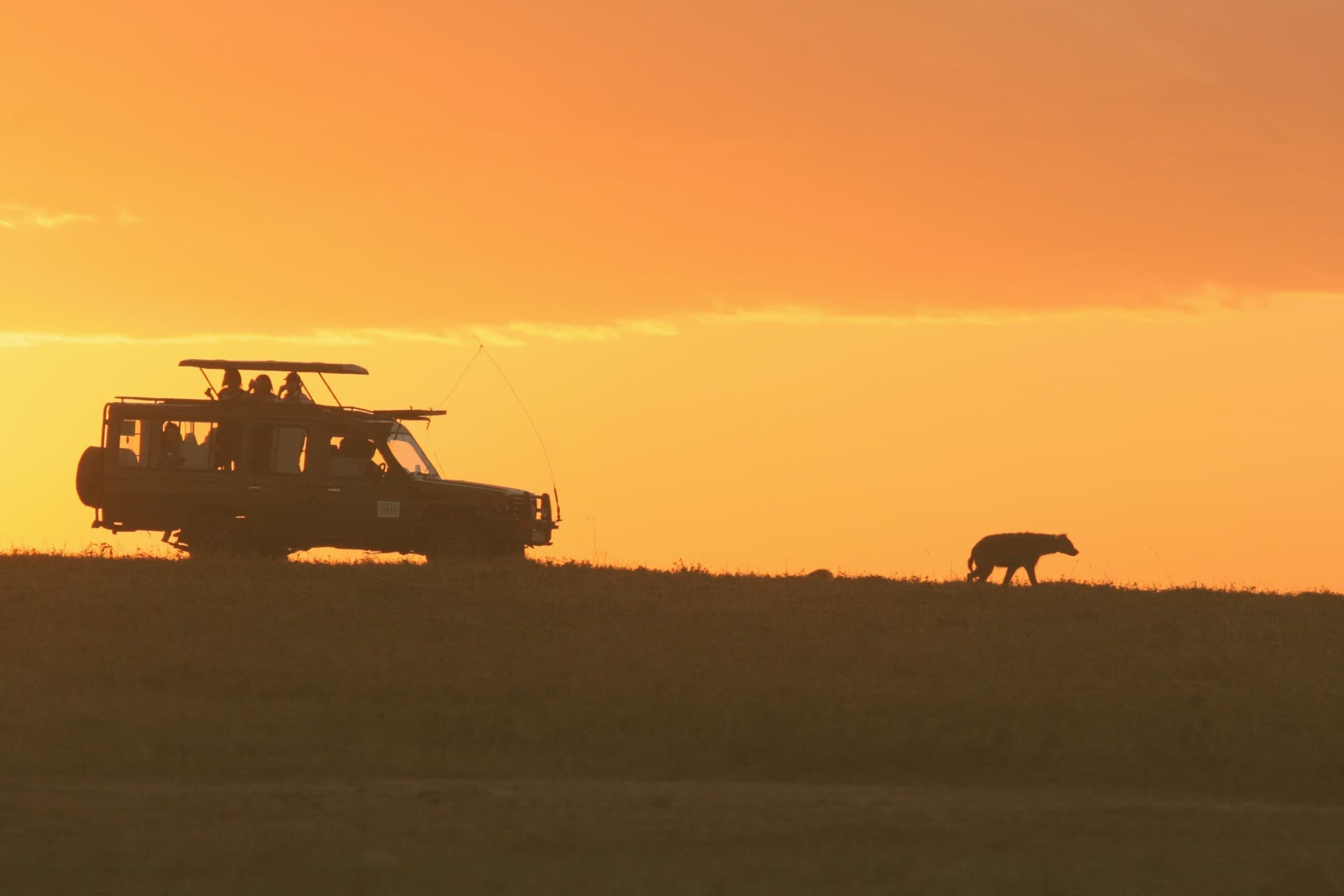
There is a version of the Maasai Mara that most people experience: a convoy of minibuses clustered around a cheetah, engines running, lenses extended, a hundred people witnessing the same thing simultaneously. It is not unmoving — the animal is real, the landscape is real. But it is witnessed rather than experienced.
The private conservancy where EscapePod placed me was different in kind, not degree.
The conservancy adjoins the northeastern edge of the main reserve. It is managed by the local Maasai community and accessible to guests of a single camp at a time. On the morning of my second game drive, I counted zero other vehicles from the time we left at 5:30am until we returned at noon. Six and a half hours in a landscape the size of a small country, and we were alone in it.
Our tracker was a man named Jackson, who had grown up in this ecosystem and whose relationship with it was not professional but ancestral. He read the grass in a way that I could not begin to decode — a bent stem here, a shadow there — and twice found leopard before I had understood we were looking for one.
The drive on day three began before dawn and ended with breakfast in a dry riverbed. The cook had arrived before us with a portable stove and a table covered in a white cloth. We ate eggs and fruit in complete silence while a martial eagle worked a thermal overhead and a herd of impala moved through the acacia at the edge of the tree line. There is no restaurant in the world with a better view.
What I hadn't expected was the pace. I had arrived expecting the rhythms of a safari — wake up, drive, eat, drive, eat, sleep — but EscapePod had built something looser and more honest. The camp manager told me on the first evening: "We have no schedule. We have suggestions. You tell us how you want to use your time."
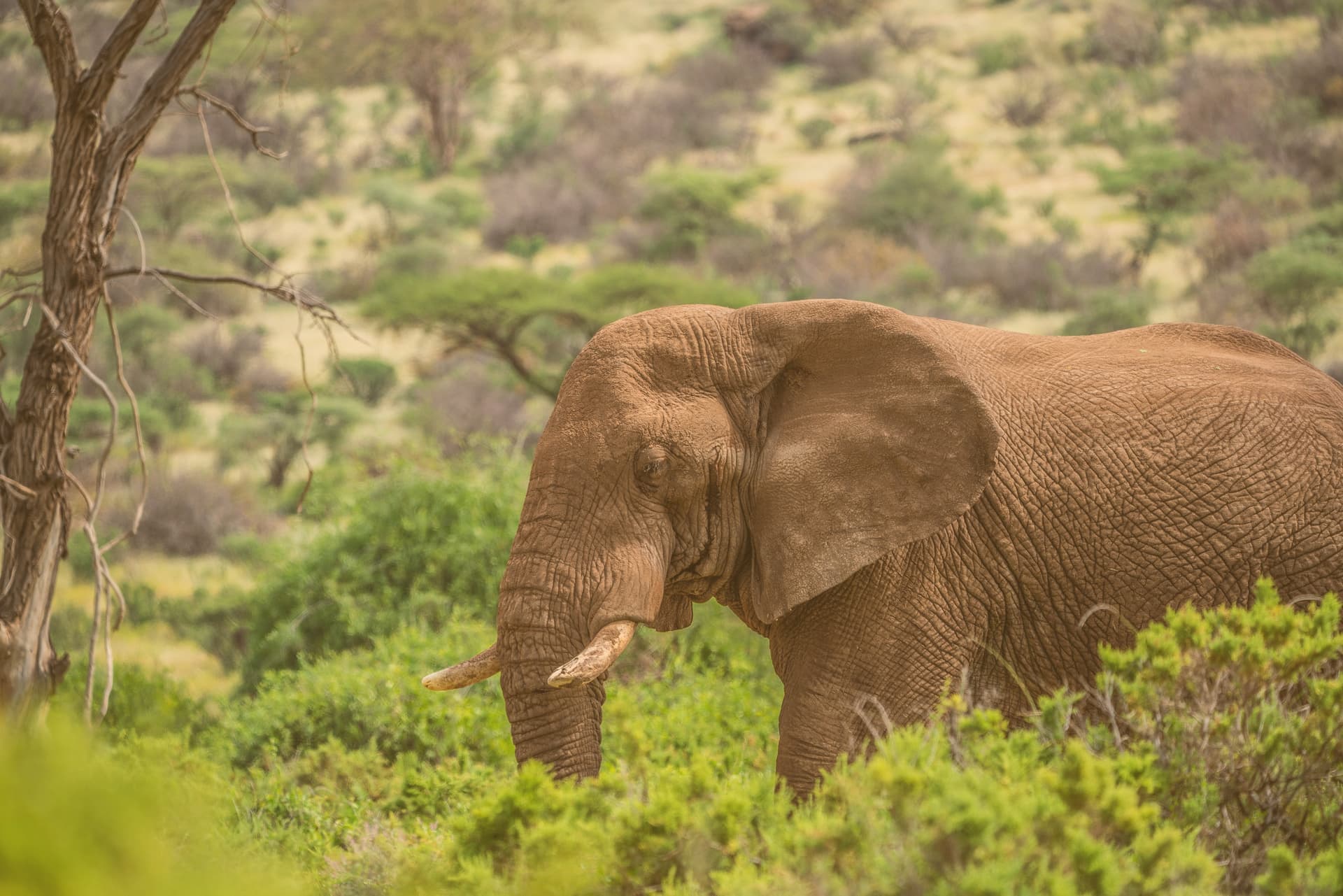
I took this seriously. On day four I slept until nine. I sat by the fire with coffee for two hours. I walked to the perimeter of the camp with Jackson and watched a herd of elephant cross the lugga below us. I did not take my camera. I was simply there.
The bush dinner on the final evening was, by any metric, extraordinary: a clearing in the acacia wood, lit by lanterns, with a four-course meal and a night sky that made the Milky Way visible as a physical presence, not an abstraction. But what I remember more clearly is the silence between the courses, and the fact that no one felt compelled to fill it.
This is a place that rewards patience. Come with empty days and an open attention. Leave the itinerary loose.